
Where Is the Uco Valley?
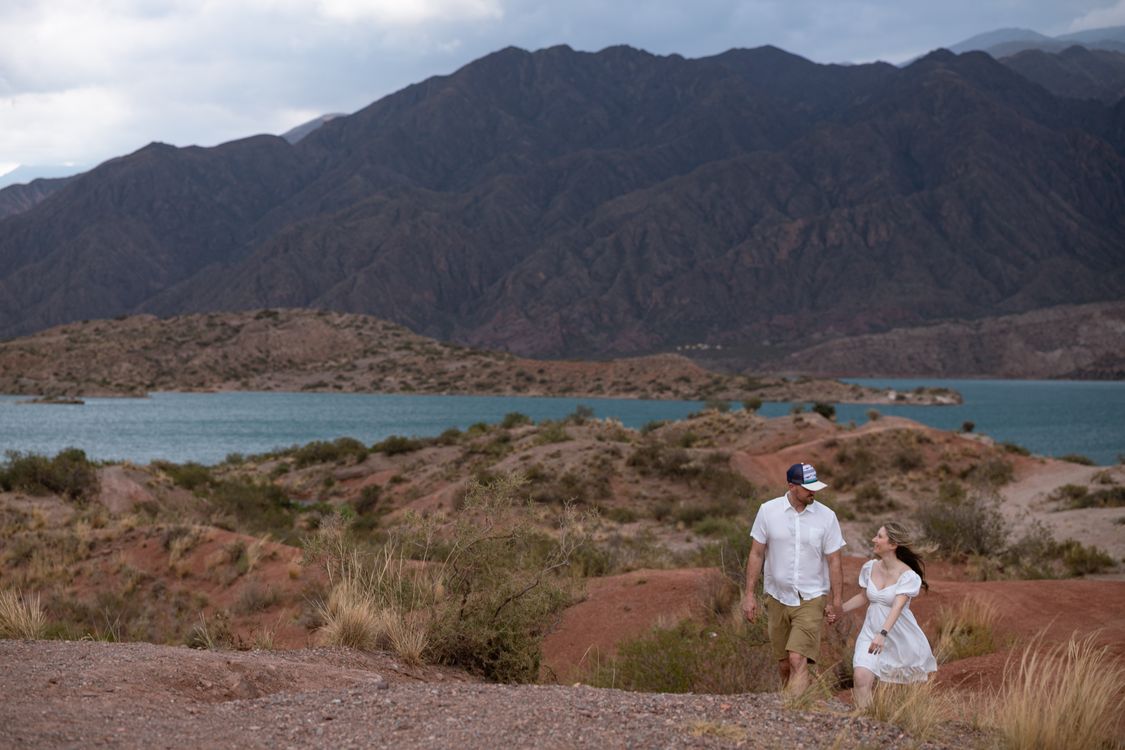
The Uco Valley sits about 80 to 120 kilometers south of Mendoza city, between the towns of Tupungato, Tunuyán, and San Carlos. It’s bordered to the west by the Andes — the mountains funnel cold air down into the valley at night, creating a massive temperature difference between day and night (often 20°C or more), giving grapes here exceptional concentration of flavor and natural acidity.
Altitude and Climate
Elevation ranges from around 900 meters in the lower eastern sections to more than 1,500 meters on the Andean piedmont. High altitude means intense UV radiation during the day (which thickens grape skins and concentrates polyphenols) and cold nights. The result is wine with deep color, fine tannins, and a freshness harder to achieve in lower-altitude zones. Rainfall is very low — around 200mm per year — so all viticulture relies on meltwater irrigation channeled from Andean glaciers through an ancient acequia canal network dating back to indigenous Huarpe communities.
The Grape Varieties
Malbec is king, but the Uco Valley version tends to be more perfumed and structured than its Luján de Cuyo counterpart — think violets and dark cherry rather than plum jam. Cabernet Franc thrives here too, producing some of Argentina’s most elegant reds. Among whites, Chardonnay, Torrontés, and Sémillon are showing great potential at the highest elevations.
The Best Wineries to Visit
The Uco Valley is home to Argentina’s most ambitious wine estates. Zuccardi Valle de Uco won World’s Best Winery in 2019. Salentein has one of the most dramatic underground cellars anywhere. Clos de los Siete is a collaborative project by seven French producers led by Michel Rolland. Cheval des Andes produces some of the region’s most sought-after labels, while smaller boutique producers like Gimenez Riili and Masi Tupungato offer more intimate visits.
Best Time to Visit
March to May is harvest season — the vineyards turn red and gold, the atmosphere is electric, and you can watch the entire grape-to-wine process in action. September to November brings spring blossom and clear skies, ideal for photography. Winter (June–August) is quiet and cold, but the snow-capped Andes backdrop is spectacular and wine estates are far less crowded.
How to Get There
There’s no reliable public transport to the Uco Valley — the best way to visit is with a private driver and guide who knows the region. The drive from Mendoza city takes about 90 minutes to the northern part of the valley. A full-day tour allows you to visit two or three estates comfortably. Our Uco Valley wine tours cover the region’s best estates with bilingual guides and private transport from Mendoza.