
The Huarpe: Mendoza’s First Inhabitants
Long before European contact, the Mendoza region was home to the Huarpe people — a semi-nomadic culture that adapted brilliantly to the arid Andean foothills. The Huarpe developed an intricate system of irrigation canals (acequias) that channeled glacier meltwater from the Andes, making agriculture possible in one of the driest environments in South America. This same canal system still waters Mendoza’s vineyards today — a remarkable 500-year continuity.
Spanish Colonization and the Founding of Mendoza (1561)
The city was founded on March 2, 1561 by the Spanish captain Pedro del Castillo. At this time, Mendoza fell under the jurisdiction of the Captaincy General of Chile — it wouldn’t become part of Argentine territory until 1776. The Spanish colonizers recognized the region’s agricultural potential and established vineyards early, laying the groundwork for Argentina’s wine industry.
San Martín and the Army of the Andes
Between 1814 and 1817, General José de San Martín used Mendoza as the base for assembling the Army of the Andes — a force of nearly 5,000 soldiers that crossed the Andes to liberate Chile and Peru from Spanish rule. San Martín remains one of Argentina’s most revered historical figures, and his connection to Mendoza is commemorated throughout the city.
The 1861 Earthquake: A City Reborn
On March 20, 1861, a catastrophic earthquake largely destroyed the old city of Mendoza, killing an estimated 6,000 to 12,000 people. The city was rebuilt from scratch — which is why modern Mendoza has an unusually rational and spacious layout, with wide streets, abundant plazas, and buildings set back from the road as earthquake-resistant design principles.
Immigration and the Wine Industry
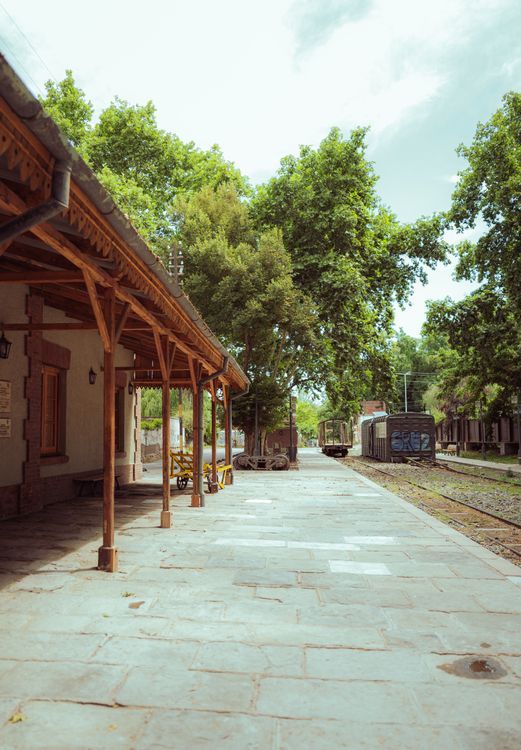
The late 19th and early 20th centuries transformed Mendoza through mass immigration — Italians, Spaniards, and Basques arrived in large numbers, many bringing winemaking knowledge. Families like the Catenas, Zuccardis, and Escorihelas built the foundations of a world-class wine industry. The Buenos Aires–Mendoza railway completed in 1885 opened national markets and accelerated growth dramatically.
Continue exploring with our guide to downtown Mendoza and our article on Malbec wine in Argentina.