
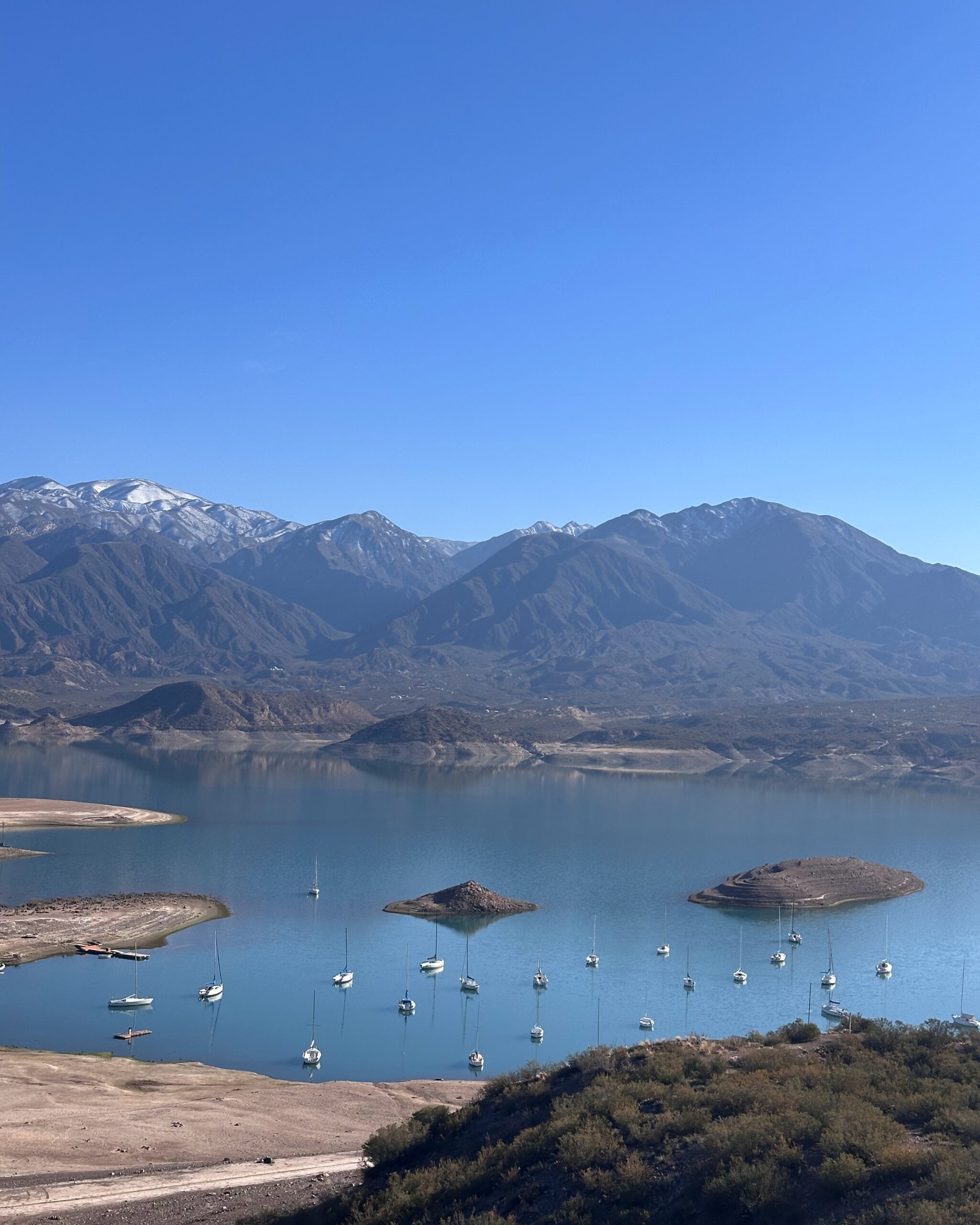
Mendoza is one of South America’s most rewarding travel destinations — and one of the most underrated. While Buenos Aires and Patagonia dominate most Argentina itineraries, Mendoza offers a genuinely different experience: a compact, walkable city surrounded by world-class wine country, backed by the dramatic Andes, with excellent food, a relaxed pace, and year-round sun. This guide covers everything you need to plan your trip.
Getting to Mendoza
By air: Mendoza has its own international airport (MDZ — El Plumerillo), with direct flights from Buenos Aires (1h 45min), Santiago de Chile (1h), and several other South American cities. International travelers from Europe, North America or Australia typically connect through Buenos Aires (EZE or AEP) or Santiago.
From Buenos Aires: The overnight bus is a classic Argentine experience — about 13 hours in a fully reclining “cama” seat. Affordable and comfortable. The day flight is the faster option.
From Santiago, Chile: Just under 4 hours by bus through the Andes via the Paso Los Libertadores. Spectacular mountain scenery — worth doing at least one way if the pass is open (it closes in winter during heavy snowfall).
When to Visit Mendoza
March–April (Harvest): The best time for wine lovers. The Vendimia harvest festival takes place in early March, vineyards are at their most colorful, and the energy of the region is at its peak. Book everything well in advance.
October–November (Spring): Vineyards are in bloom, temperatures are ideal (20–28°C), and crowds are lower than summer. One of the best times to visit.
December–February (Summer): Hot in the city (35°C+) but cooler at altitude. Peak tourist season. The Andes snow is melting and mountain activities are in full swing.
June–August (Winter): The Andes are snowcapped and spectacular. Low season means quieter wineries and better hotel rates. Some mountain roads close. Perfect for skiing at Las Leñas (3 hours south).
Where to Stay in Mendoza
The city of Mendoza is compact and safe, organized around a grid of tree-lined streets and plazas. Most travelers base themselves in the city center or the upscale Chacras de Coria suburb (15 minutes south, closer to wine country).
For luxury accommodation, options include the Park Hyatt Mendoza, Diplomatic Hotel, and several boutique properties in Chacras de Coria. For mid-range stays, the area around Calle Arístides Villanueva (Mendoza’s bar and restaurant street) puts you walking distance from the best food and nightlife.
What to Do in Mendoza
Wine Tours
The obvious starting point. Mendoza’s three wine sub-regions — Luján de Cuyo, Maipú, and the Uco Valley — each offer distinct experiences. A private guided tour is the most efficient and enjoyable way to visit: no logistics, pre-booked winery appointments, and a bilingual guide who can translate not just the language but the culture behind every bottle.
Explore Mamut’s private wine tours →
High Mountain Tour
Drive up to the Andes on the route to Chile, stopping at the Christ the Redeemer statue at 4,200m and Aconcagua (the highest peak in the Americas at 6,961m) viewpoint. On clear days, the views are extraordinary. Book our High Mountain Tour →
City of Mendoza
The city itself is worth half a day: the Plaza Independencia, the Parque General San Martín (one of the largest urban parks in Argentina), the Municipal Museum of Modern Art, and the wine shops and restaurants of the pedestrian Sarmiento street.
Food Scene
Mendoza is a serious food destination. The combination of fresh Andean produce, olive oil from local groves, and an almost obsessive focus on wine-food pairing produces some of Argentina’s best dining outside Buenos Aires. Don’t miss: empanadas mendocinas (baked, not fried), chivo (kid goat slow-cooked), and the winery restaurants — particularly at Zuccardi Valle de Uco and Ruca Malén.
Practical Tips
Currency: Argentina has a complex exchange rate situation. Use a debit card that doesn’t charge foreign fees, or exchange dollars/euros at a reputable casa de cambio for a better rate than the official bank rate.
Language: Spanish. English is spoken at hotels, premium wineries and tour companies like Mamut, but less commonly elsewhere. Learning a few Spanish phrases goes a long way.
Safety: Mendoza city is considered one of Argentina’s safest provincial capitals. Standard precautions apply — don’t flash expensive items in crowded areas.
Getting around: Taxis and remises (private car services) are affordable and reliable. For wine country, a private tour with driver is the safest and most practical option.
n n